Leading Safety Through Partnership and Respect

The Alcoa Transformation: A Lesson in Leadership

In October 1988, Paul O’Neill became Chairman of Alcoa, a global aluminum producer facing challenges in safety, quality, and profitability.

O’Neill recognized that true, sustainable improvement required a cultural shift – one built on open communication, respect, and recognition. He championed what I call Partner Centered Leadership, where every voice matters and information flows freely.

To enable this change, O’Neill asked all managers and supervisors to regularly ask their teams three simple questions:

  • Does everyone have all the information and resources needed to do their best?
  • Does everyone treat you with respect and consideration, every day, at every level
  • Does everyone receive recognition and honor for their contribution?

He also invited employees from all levels to contact him directly with suggestions for improvement. The results were remarkable: within a few years, Alcoa’s earnings increased fivefold, and both safety and market evaluation improved dramatically.
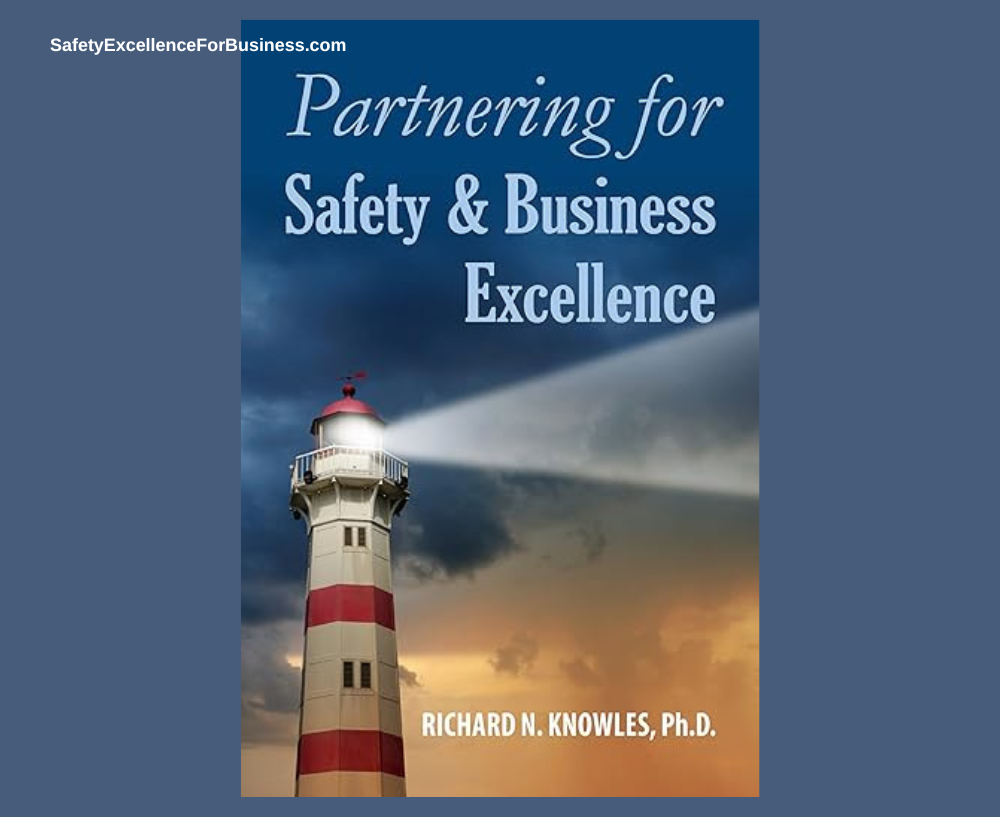
partnering for safety and business excellence

My Experience: Partner Centered Leadership in Action

When I served as Plant Manager at DuPont’s Belle, West Virginia facility, I independently adopted a similar approach. By engaging with employees daily – walking the plant, asking questions, and listening – I witnessed dramatic improvements:

Our injury rates dropped by about 97%,
emissions to the air, water and land dropped by 95%,
productivity rose by 40%, and
earnings went up 300% in just four years.

These results were not achieved by imposing top-down directives, but by building trust, sharing information, and working together. Over time, our culture shifted organically – people contributed more, leadership became easier, and our values for safety, quality, and respect became the foundation of our success.

Building a Positive Workplace This Holiday Season

As we enter the Christmas holiday season, let’s bring cheer and positivity into our workplaces. Treat each other with kindness and consideration, keep divisive politics out of the workplace, and focus on building a supportive environment. Remember, even in diverse settings like the International Space Station, shared values and mutual respect enable people to thrive together. We can do the same.
approach the new year for safety and partnership

Key Takeaways on Safety and Partnership

  • Open communication, respect, and recognition are the foundation of a strong safety culture.
  • Simple, consistent questions can drive meaningful change.
  • Sustainable improvement comes from partnership, not top-down mandates.
  • A positive workplace is built by everyone, every day.

Reflection on Safety

What’s one thing you can do this week to foster a safer, more respectful workplace? You don’t have to wait until the new year – you can start right now! Call me to learn more. Ask me questions!
Leaders: You Must Understand This in the Workplace!

I’m presenting at the New York State SHRM Conference in Verona, New York, this coming weekend.

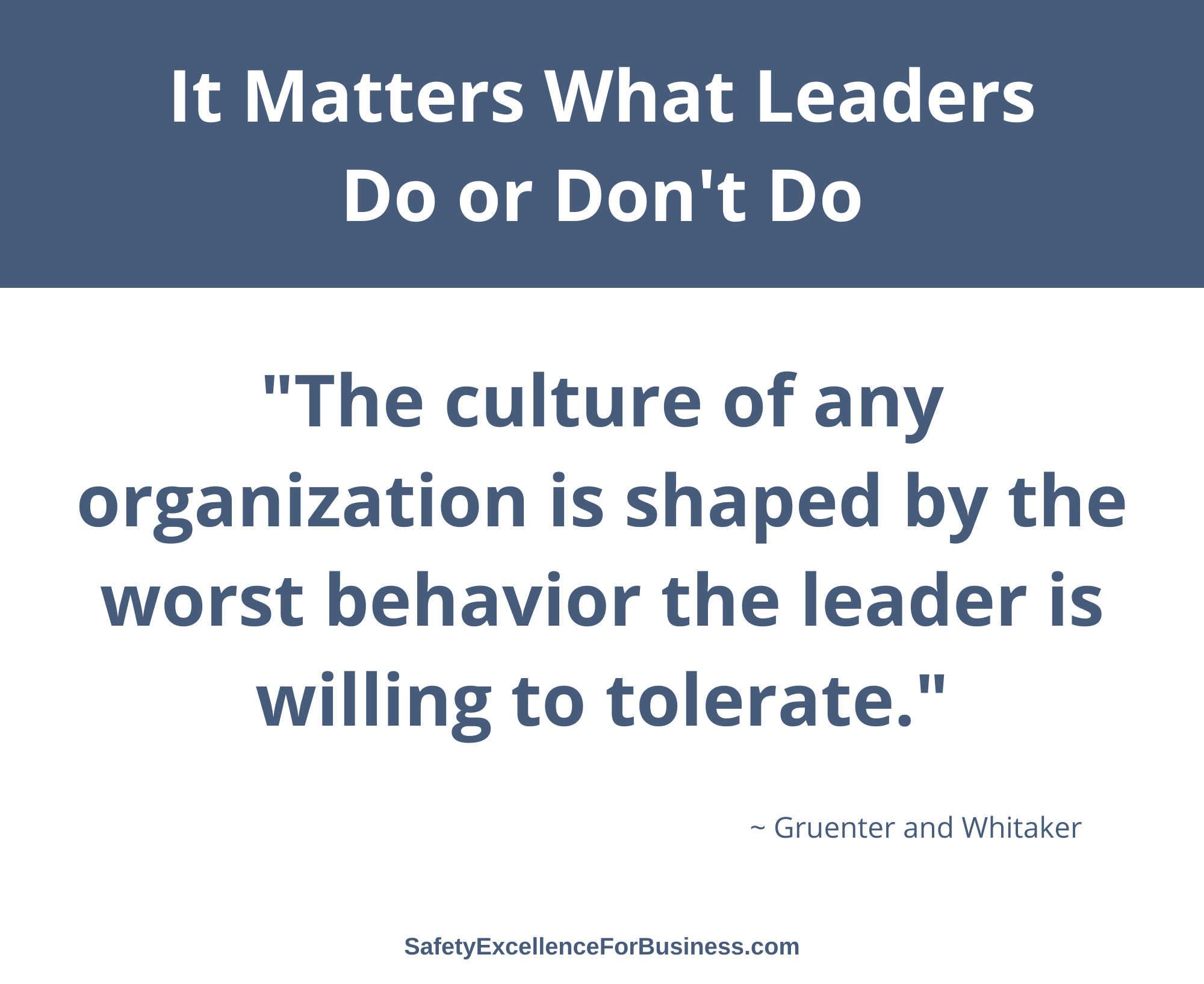
That is the state-wide gathering of Human Resource Managers – it is good to be able to return to this big conference (post covid). I’ve also spoken in the near past at Safety Professional gatherings around the fact that it matters what Leaders do or don’t do!

it matters what leaders do or don't do

Whether we are HR Managers, Safety Leaders, CEO’s, Supervisors or Managers – the same message applies.

Notes:

  1. I am amazed by how few Safety Leaders understand that the Cultural side of Workplace Violence (which can negatively manifest into bullying, harassment, incivilities, and dysfunction) is part of Safety – having a workplace free of intimidation and abuse is how we eliminate psychological and emotional injuries and incidents.
  2. I am concerned how many Human Resource managers (many of them siloed into various positions, like “I only deal with Benefits; or I only deal with Talent Recruitment; or I only deal with onboarding”), have shunned their responsibility for behavioral dysfunctions within the larger organization. Yet, they do consider themselves Leaders.

Consider this: A Supervisor/Leader walks by an obvious Safety hazard/condition in the workplace, that if not corrected, will likely lead to a physical injury to someone. When that Leader walks by, ignoring it, he/she is telegraphing to the organization what their standard is – it doesn’t matter enough to him/her to take action – it’s okay if someone gets physically hurt.

Similarly, when a supervisor or leader observes or overhears harassment or bullying or disrespectful things being said, or gestures being made, and does nothing to stop it – he or she, again, conveys to the organization that it doesn’t matter – in other words, it is okay if someone is being hurt emotionally / psychologically – in effect, the Supervisor by not stepping up, allows the disrespectful dysfunctional behaviors – and because they go unchecked, these behaviors continue.

the culture of the organization is shaped by leadership

This begs the question: Why are Leaders timid? Afraid to step in? Lack the managerial courage? Is it lack of skill? Lack of will? Fearful of how they may be seen? Afraid of not being liked? Afraid of not being supported? There is always something underneath that every leader needs to understand about their own Leadership. How about YOU?

At Nagele and Knowles, we teach Leaders HOW TO LEAD. It is about stepping up, stepping in, and staying in the heat. The heat is hottest in the nosecone of the rocket. Do you need to learn more about handling conflict, engaging, and being better at confrontation skills?

Call us at 716-622-6467. We teach Leaders how to Lead effectively.