 As I travel around and watch things happening, I see so many people in a big hurry. We are coming to the end of the good weather so people are hurrying to get outside jobs finished up. Roofers are really busy and not taking the time to properly use and secure their fall protection. I read of a recent 29-story fall in New York City when a guy on a big construction site fell through an unsecured hole in the floor.
Most of the people doing these jobs have a good idea about the hazards they face, yet they seem to ignore the possibility of getting hurt. Many of these people have families and loved ones who will suffer if they are hurt or killed. Why do you suppose they ignore this? Do they think “it” won’t happen to me?
What will it take to get these people to pay attention and be more mindful in their work?
- Do we need more rules? OSHA already has plenty of them.
- Do we need more fines? There already are provisions for fines, yet they do not seem to be having much impact.
- Do we need more supervisors overseeing the work and making the people work more safely? Good supervisors are in short supply and those who are out there have lots to do and are also rushing.
- Do we need more dramatic pictures and videos of people working unsafely as a reminder? There are lots of these floating around YouTube and other internet sites. Maybe those out on the jobs are not seeing these reminders…maybe (to their detriment) they have blinders on regarding the hazards of the work.
- Trying to make people work more safely is okay, but we seem to be stuck with this approach. There have been about 4,600 fatalities a year for the last 4-5 years so things that we are doing are not having much impact.
Doing things to the people to get them to work more safely is not working well enough.
One way to do this is to open up the discussions about safety (and talk with each other) to make the workplace psychologically safe enough for people to stand up and ask the important questions and have the important debates about how to work more safely. Lots of organizations say that people have the right to stop a job if it is not safe; do they really?
There is so much pressure in many workplaces to get the job done as quickly as they can that people are reluctant to speak up. (Mixed signals). Some people are afraid of losing their jobs if they speak up. This is not okay!
Most of the pressure to hurry up and get the jobs done is based on the belief that this is the way to maximize their profits. How much does it cost to stop a job for 10-15 minutes to get the safety right? Injuries cost a lot of money in terms of the medical bills, lost time being away from the job, getting someone else in to do the work, OSHA inspections, reports, fines, bad publicity, investigations, and audits. The average cost for an OSHA Recordable Injury is over $50,000.
Stopping the job to get the safety right saves a lot of money, pain and suffering.
Slow Down and Work More Effectively
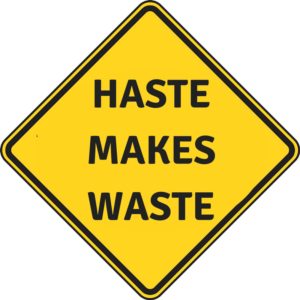 A good, proven approach is to have brief start up meetings to review the hazards of the day’s work, making sure we have the right PPE and other equipment in place and used, asking each other about what might go wrong and working to avoid this. We need to look over the schedules and be sure we have the equipment we need and the right people for the work.
Each person can make a good contribution to this start-up meeting by talking together, listening, and asking questions. Each person can take responsibility for themselves and their workmates so that everyone has a safe, productive day and can go home in good physical and mental shape.
The fastest way to get the job done is to do it right the first time!!
NOTE: A Good Leader knows this! Savvy supervisors care about the job getting done, while at the same time, that the people doing the job remain safe while doing the work. Holding start meetings to ask people…What are the things you really need to consider for this job? What unexpected things could happen? And how will you prepare for those? Do you have everything you need? Tools, PPE, etc.? What can you teach another (today) about the importance of this work being done safely? How will you look out for coworker/s (today)…during the completion of these jobs? A Good, Respected Leader/Supervisor knows and cares about the people reporting to him/her, shows commitment to safety in all ways, and continually develops expectations of excellence within a learning environment–which the supervisor is keen to establish.
 The American Society for Safety Engineers (soon to be The American Society for Safety Professionals) in Denver, Colorado, on June 19-22, 2017, was attended by about 5,000 people. This was a record for attendance. There were lots of papers and a huge trade show exhibit. I never saw so much safety equipment and other offerings.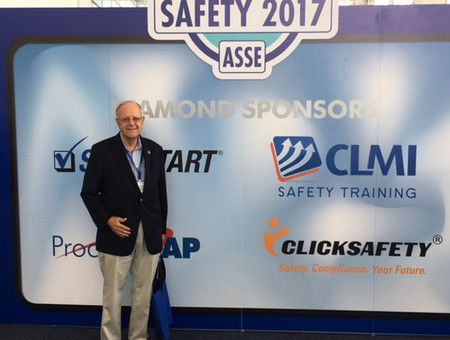
 Each time the construction cycle picks up, more people get killed, mostly from falls. Some falls are the result of poor footing. Some falls result from poor housekeeping and clutter. Some falls result from inadequate barricading of edges or open holes in the floors. Some falls result from poor pre-shift preparations and the work is started before things are ready. Some falls result from people rushing to get the work done quickly. Some falls result from some people being careless.
 With all the uncertainties and variable working conditions, all of you need to be looking out for each other – I mean really watching and helping each other. Being ready and willing to stop unsafe work is important. It is critical that information flows freely so that everyone knows what is going on and are able to work closely together.
 In many of our newsletters, I have talked about helping organizations co-create their safety future using the
  Eighty (80) pages and counting…that’s how far I got while perusing the numerous pages for the 2015 fatalities logged on OSHA reports – there were still many names and circumstances yet to read.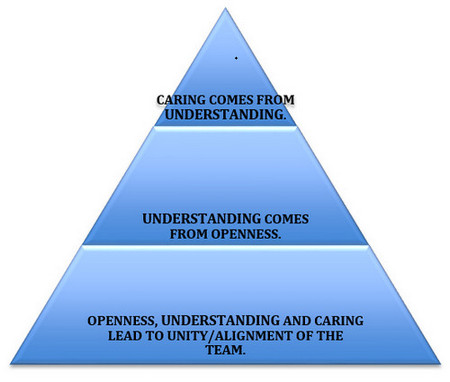
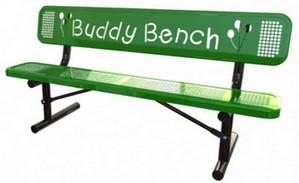 There was a video on Facebook a few weeks ago about Buddy Benches being placed in schoolyards. The video explained the importance of the communication and training that is essential to their use and effectiveness.
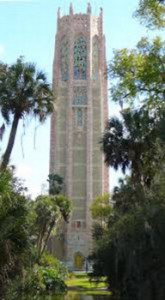 At one of the highest geographical points in Florida, at Lake Wales, is a large, 205-ft high, carillon tower. It is beautiful, as are the gardens surrounding this tower structure, made of glistening coquina stone. The tower and gardens were a gift from benefactor Edward W. Bok, who cared deeply about nature, beauty and sanctuary spaces. Millions of visitors have traversed this place of solace since it opened in 1929. Edward Bok was all about CARING for future generations – to be able to enjoy peace and beauty. His tribute signature is this:
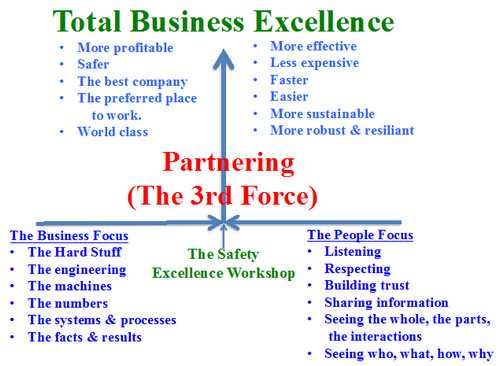
 For our workplaces, this is about the way we think about safety, the way we engage around safety, and the way we bring a third unifying force to the whole culture of safety.It’s the missing link in our respective workplaces. Without it, we tend to stay engulfed in a culture of compliance, yet despite trying and trying, we never reach excellence. Without it, we keep repeating the same mistakes – round and round we go.
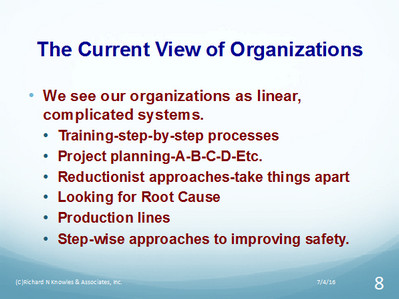
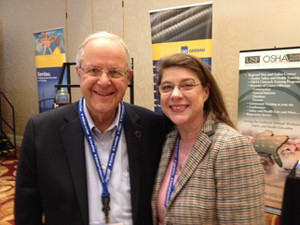 I spoke about Partner-Centered Safety™ and the importance of this as the quickest way to achieve sustainable safety excellence. As many of you know, I have written and spoken about this many times over the last several years. The information and data I share clearly shows that this approach to leading safety is very powerful, producing improved results quite quickly. Many of you have seen the terrific results the people at the DuPont, Belle Plant achieved. This approach has a very strong scientific basis in complex adaptive systems theory.