We can reach safety excellence only if we all pull together, giving our best. This takes extra energy over and beyond the energy we need to put into our job to keep from getting fired.
 Talking together is one of the most important things we can do to help to improve the safety in our workplaces. Letting people know that you care about them and respect them. But too many times I have seen supervisors and managers talking down to their employees ordering them to do this or that.
This is energy that we can give or withhold. This is energy that people will freely give if they are feeling valued and want to help everyone go home in one piece.
We can help people to feel really valued when we take interest in them, help them and ask them to help each other for the good of the whole organization. Being open and honest is a big part of this. Being consistent in working with them this way shows we are serious about them and want them to be a part of the team. Being clear, consistent and fair in holding everyone up to meeting the safety standards, not tolerating bully’s, and telling the truth are keys to this as well.
 In reading the various, publicly-available reports, it looks as if all three of these big mistakes were probably made. The push for production was dominant, piping changes had been made without documentation, the safety procedures were modified or ignored, operating problems were not properly addressed and tolerated, previous practices allowed the draining of small quantities of material right into the room, and the communications were such that people probably could not or would not tell their management, who probably were not listening anyway, all the problems.
 How important it is to stay on top of global strategic trends and innovations while aligning our efforts with business strategy.
  Each of us, as we travel to and from our work spaces want to be “safe and sound”—we want to return at the end of the day or at the end of our work-shift to our loved ones—safe and sound.
 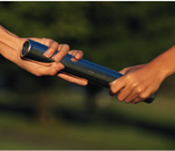 There are three main aspects to Partner-Centered Safety.
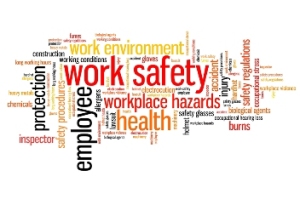
 Safety excellence is achieved and sustained one day at a time, day after day.
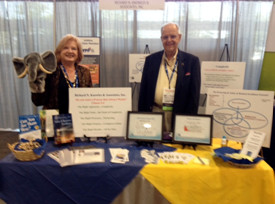 Yes, the elephant that got in the way of having the conversations that matter? You did? Oh, you have one of those too?
 Another paper from an award-winning company showed their outstanding progress in lowering their total recordable injury rate from around 10 to 0.5 through a steady progress of improvements over 10 years. Their work was out of the Newtonian/Cartesian perspective, quite similar to what Mathis and Galloway teach.
 But, the machine view of organizations is the dominant paradigm right now. We direct the people to work in tight procedures. We manipulate them to do things right. We punish them when there is an injury or incidents. We look for root-cause. We think that if we can take things apart and understand the parts that we can understand the whole. Almost all the effort is engaged in doing things TO the people as if they were just interchangeable parts of a machine. Most people push back against authority in this paradigm. This is a win/lose environment.
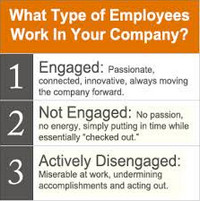 People are often reluctant to speak up in these negative environments. Ideas for improvement never surface. New employees are negatively influenced and led astray. Supervisors have a very rough time getting the people to do their work properly. Grievance rates are high and much time is wasted needlessly because these are not addressed at an early stage.