Situational awareness is being aware of what is happening around you in terms of where you are, where you are supposed to be, and whether anyone or anything around you is a threat to your health, safety, and well-being.
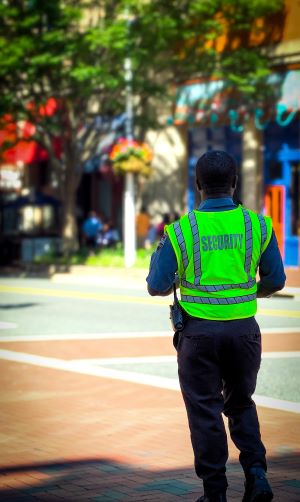 Our knowledge, experience and education enable us to understand what is going on around us and helps us to determine if it is safe…if we are “clued in.” This is not a complicated idea, yet we see so many people who seem to be totally oblivious about what is going on around them.
- Have you seen people walking down the street with their cell phones right in front of their faces?
- Have you seen someone grab a chair to stand on to get something off a high shelf?
- Have you seen someone driving their car with the phone in their hand and not paying attention to their driving?
- Have you seen news stories where people just seem to walk into really dangerous crowds with little care?
- Have you seen a person climb into a manhole in the middle of the street without proper respiratory protection?
- Have you seen people climb poorly secured ladders that can easily slip?
- Have you seen people at work who are not using the right PPE or not using handrails?
- Do we see ourselves doing things like this with little awareness of the potential situation we are getting into?
We see things like these almost every day. The people doing these things are not stupid – rather, they are exhibiting a clear sense of lacking awareness in the moment. (Their proceed-with-caution flag is missing!)
Situational awareness applies and is a big part of our safety…to understand what is “not normal”…as in cracks happening in a foundation, or pipes carrying chemicals showing signs of a leak, or Personal Protective Equipment beginning to show wear. It may apply to your health – paying attention to your intuitive knowing, for clues and signals that something has changed or does not seem right.
Recently in the news, most of the people seemed to have ignored warnings and were situationally unaware before the collapse of the condo in the Miami Beach, Florida disaster.
We put so much at risk to just save a minute or two. Why is it we do not pay attention to what is around us and take a moment to protect ourselves? Are we paying attention or are we just charging along hoping things will be okay? Is saving 5-10 seconds in a job worth the risk to you and your safety?
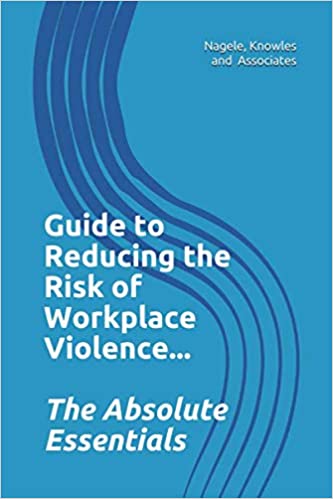
A specific area of focus for us at NageleKnowlesAndAssociates.com is Situational Awareness related to violence in the workplace. We need to be vigilant in the event someone from outside the organization comes in to do harm. We also need to be vigilant for potential violence springing up from someone who is on the inside like an employee, vendor, or customer. (Home-growing an active shooter happens – especially when people treatment principles are lacking.) Paying attention to how our friends and co-workers are behaving and talking is important.
If you see something or hear something,
you have to SAY something.
If you see sudden changes in behavior of a person or hear them talking about doing violence, that needs to be brought to the attention of your supervisor or the HR people. And anyone with a domestic violence restraining or protection order needs to be certain that their company is aware of it, in order for security to be fully prepared! Domestic violence spillover into the workplace is a major danger for violence in the workplace.
We help people to learn how to observe, to put their attention on what is “not normal” and to be prepared to make quick decisions as the situation unfolds…whatever that situation may be.
We teach the Color Codes of Situational Awareness as a way for them to think about their situation in the moment.
White: Being oblivious to what’s happening in your surroundings.
Yellow: Fully aware, but still relaxed.
Orange: Very Alert…something has triggered your focused attention.
Red: Decision time…Act.
(Black): The consequence of inaction, or inability to act; paralysis.
Where are you in this picture?
These color codes would be a good discussion at home with your family as well.
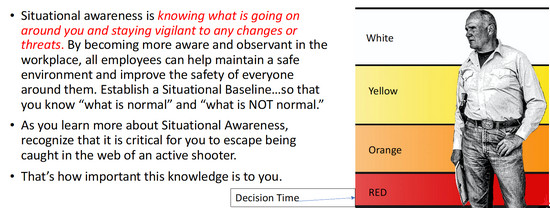
Situational awareness is essential for being prepared to work safely and to protect yourself from an active shooter situation. Recent events show us how tremendously important this “knowing” is for all of us…at our workplace, and in our life-space too.
We at Nagele and Knowles help a wide range of organizations address unwanted safety issues, address security and cultural vulnerabilities, and reduce the risk for workplace violence. You don’t have to do that all yourself…We have done that for you!

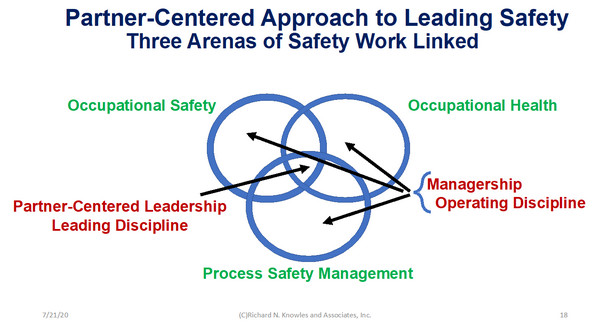
 Learning to work more effectively, through our safety work, spread to the whole organization. Each of you reading this newsletter can make a big difference as you engage with the people in your organizations, sharing information, building respect and trust. The impact of your work will spread.
 We each need to take the personal responsibility to try to avoid spreading the virus. With all the pressures, this is not easy. It is best if we each take personal responsibility to social distance and try to avoid spreading the virus. Government edicts really do not cover the details of what we each need to do very well. It is really up to us.
 The COVID-19 pandemic, the return to school questions, the protests and riots in so many of our cities, the bitter political campaign, the demand for using the “correct” words, are driving people crazy. The COVID-19, the questions, the anxieties and concerns, spill into our workplaces causing a lot of uncertainty and stress. We see this happening every day. Our businesses, our schools and hospitals, our governments, and not-for-profits, at all levels, are struggling. Changes and pressures are coming faster and faster.
 In thinking about your own place where you work, what do you suppose it would be like if you did some of these things? Do you think that you could begin talking with others about the COVID-19 challenges and building a more respectful environment? What do you think it would be like if you could openly talk together about the important issues like workable, social distancing and improving the safety of your job?
 You can’t turn on the news or check your Internet homepage without sensing the depth of the issues that our country is experiencing. Whether it is returning to the workplace amidst COVID-19 rules, political protests, religious non-tolerance, or negative nightly news events – we’re experiencing a wide berth of dramatic events. And each of us has an opinion, a response, a way that we individually see these events and cope with this discord.
 It doesn’t have to be that way! Take a timeout!